
Sterilization is one of the most critical processes in laboratories, hospitals, pharmaceutical manufacturing, and biological research. Among the various sterilization methods available today, high-pressure steam sterilization is recognized as one of the most effective and reliable techniques for eliminating microorganisms.
Because of its ability to destroy even the most resistant bacterial spores, high-pressure steam sterilization has become the standard method for sterilizing laboratory equipment, culture media, surgical instruments, and medical supplies.
What Is High-Pressure Steam Sterilization?
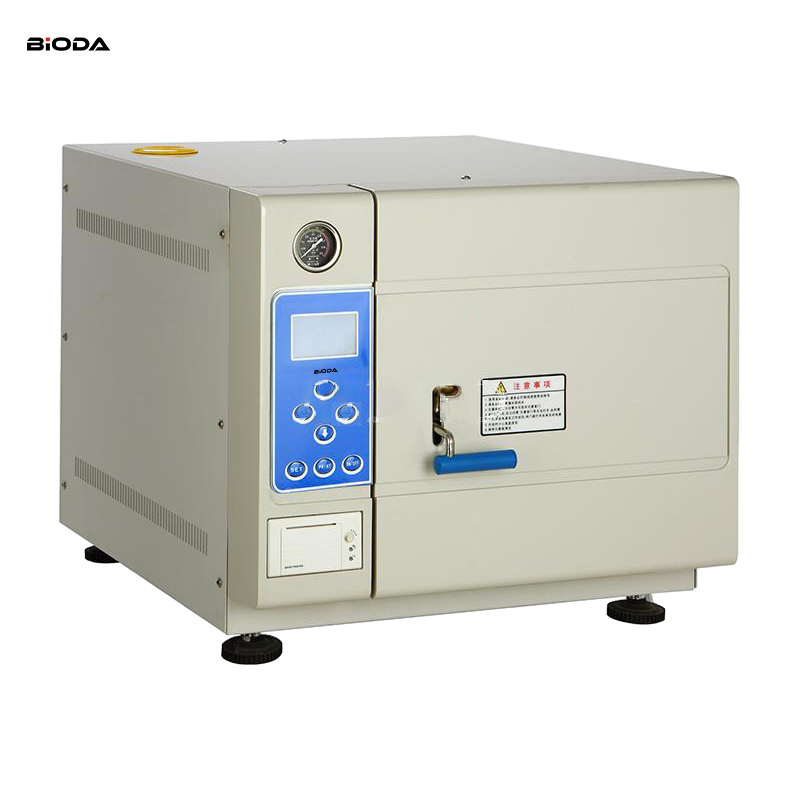
High-pressure steam sterilization, also known as autoclave sterilization, uses saturated steam under pressure to kill microorganisms.
The process is performed inside a sealed pressure vessel called an autoclave. As steam accumulates inside the chamber, pressure increases and allows the temperature to rise above the normal boiling point of water.
Under standard sterilization conditions:
Steam pressure: 103.4 kPa (1.05 kg/cm²)
Sterilization temperature: 121.3°C
Typical holding time: 15–30 minutes
At this temperature and pressure, steam can penetrate materials efficiently and destroy bacteria, viruses, fungi, and bacterial spores.
Why Is High-Pressure Steam Sterilization So Effective?
The effectiveness of steam sterilization comes from the combination of heat, moisture, and pressure.
When high-temperature steam contacts microorganisms, it causes:
Protein coagulation
Enzyme inactivation
Cell membrane destruction
DNA damage
Unlike dry heat sterilization, moist heat transfers energy more efficiently, allowing microorganisms to be destroyed in a shorter period of time.
Most importantly, high-pressure steam sterilization can eliminate bacterial spores, which are often resistant to many other sterilization methods.
Applications of High-Pressure Steam Sterilization
Autoclave sterilization is widely used in laboratories and healthcare facilities.
Common sterilized items include:
Laboratory Culture Media
Nutrient media used for microbial cultivation must be completely sterilized before use to prevent contamination.
Physiological Saline Solutions
Sterile saline solutions are commonly prepared using autoclave sterilization.
Surgical Instruments
Medical and surgical tools require reliable sterilization to ensure patient safety and prevent infection.
Glassware and Laboratory Containers
Items such as:
Beakers
Flasks
Test tubes
Pipettes
can be effectively sterilized using steam under pressure.
Syringes and Medical Supplies
Reusable medical devices often undergo autoclave treatment before use.
Dressings and Textiles
Gauze, surgical drapes, and other healthcare materials can also be sterilized through this method.
Advantages of High-Pressure Steam Sterilization
Highly Effective
It can destroy virtually all microorganisms, including highly resistant bacterial spores.
Fast Sterilization Process
Compared with many chemical sterilization methods, autoclaving achieves complete sterilization in a relatively short time.
Environmentally Friendly
Steam sterilization does not require toxic chemicals and leaves no harmful residues.
Cost-Effective
Water and electricity are the primary operating resources, making the process economical for routine laboratory use.
Reliable and Reproducible
Standardized temperature and pressure conditions ensure consistent sterilization performance.
Precautions When Using an Autoclave
To achieve effective sterilization, operators should follow several important guidelines:
Do not overload the chamber.
Allow steam to circulate freely around materials.
Ensure containers are not tightly sealed.
Use appropriate sterilization cycles for different materials.
Perform regular maintenance and calibration.
Follow laboratory safety procedures when opening the chamber after operation.
Proper use of the autoclave helps ensure both sterilization effectiveness and operator safety.
Practical Example
In a microbiology laboratory, researchers prepare nutrient agar media daily for bacterial culture experiments.
Before use, the prepared culture medium is placed inside an autoclave and sterilized at 121.3°C under 103.4 kPa pressure for approximately 20 minutes.
After sterilization, the culture medium remains free from contamination and can be safely used for microbial cultivation. This process helps guarantee accurate experimental results and prevents unwanted microbial growth.
Conclusion
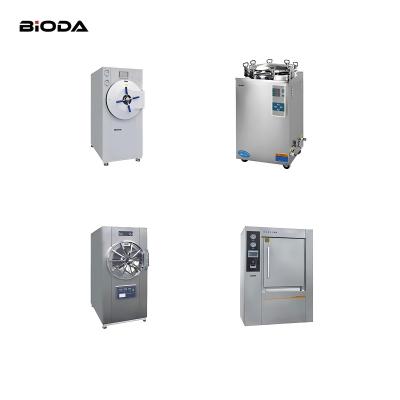
High-pressure steam sterilization remains one of the most widely used sterilization methods in laboratories, hospitals, and pharmaceutical facilities worldwide.
By utilizing high-temperature saturated steam under pressure, autoclaves can effectively destroy bacteria, viruses, fungi, and even bacterial spores. Their reliability, efficiency, and cost-effectiveness make them an essential tool for maintaining sterile environments and ensuring the safety of scientific and medical procedures.
As laboratory standards continue to evolve, high-pressure steam sterilization will remain a cornerstone of modern microbiological and healthcare practices.