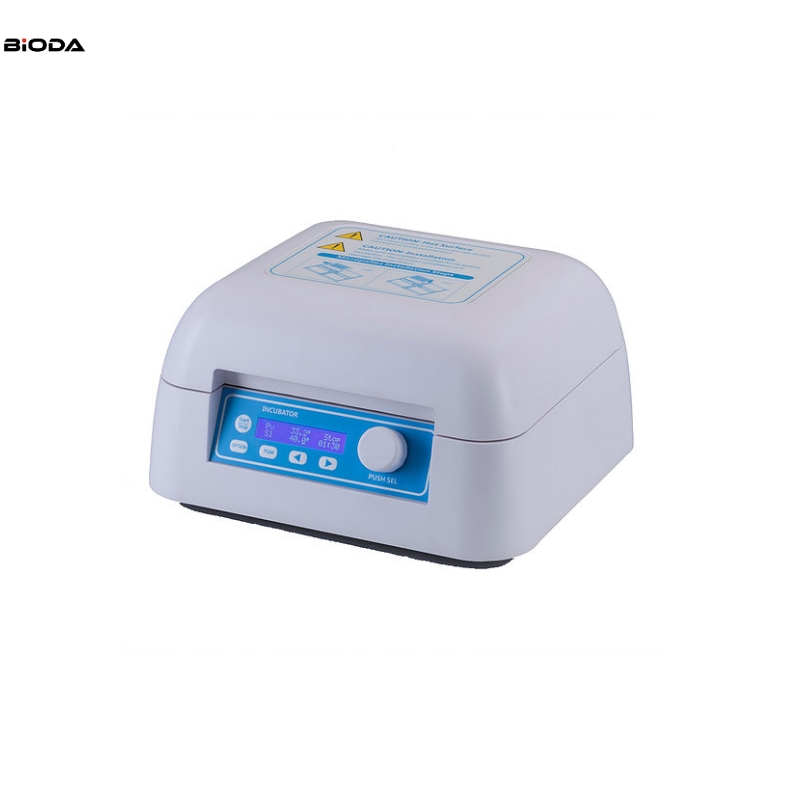

In modern laboratories, the incubator shaker has become an essential piece of equipment for microbiology, cell culture, and biochemical research. By combining precise temperature control with controlled shaking, it significantly improves experimental efficiency, consistency, and reproducibility.
So how do you choose the right incubator shaker for your lab? This guide will walk you through key functions, parameters, and selection tips.
What Is an Incubator Shaker and How Does It Work
An incubator shaker is a laboratory instrument that integrates temperature-controlled incubation and orbital shaking in one unit. It is widely used in:
Microbial culture (bacteria, yeast)
Cell culture and tissue engineering
Fermentation processes
Enzyme and protein research
Molecular biology (e.g., hybridization)
It supports both dynamic and static cultivation, making it highly versatile for different experimental needs.
Core Functions: More Than Just Shaking
A high-quality incubator shaker is defined by its precision and stability:
1. Accurate Temperature Control
Modern systems use microprocessor-based PID control, ensuring temperature stability within ±0.3°C. This is critical for sensitive experiments such as cell culture.
2. Wide Speed Range
Different applications require different shaking speeds:
Low speed (50–300 rpm): ideal for cell culture
High speed (200–1200 rpm): suitable for bacterial growth
A wider range provides greater flexibility.
3. Shaking Orbit Options
Common shaking modes include:
Orbital shaking (e.g., 20 mm): general-purpose applications
Reciprocal/horizontal shaking (e.g., 3 mm): specific mixing needs
Orbit size affects oxygen transfer and mixing efficiency.
Key Specifications You Should Understand
When evaluating an incubator shaker, pay close attention to these parameters:
Temperature Range
Typically from RT +5°C to 60°C, with some models supporting as low as 4°C for low-temperature incubation.
Temperature Uniformity
Higher uniformity ensures minimal variation inside the chamber, improving reproducibility.
Timer Function
Programmable from 1 minute up to 99 hours 59 minutes, enabling automated workflows.
Motor Type
High-quality units use brushless DC motors, offering:
Low noise
Long service life
Maintenance-free operation
Design Features That Improve Usability
Beyond specifications, thoughtful design greatly enhances user experience:
Integrated design (incubator + shaker): saves lab space
Lid safety switch: stops operation when opened
Soft start function: prevents liquid spilling
Adjustable airflow system: reduces sample volatilization
Independent alarm system: alerts for over-temperature or program completion
These features reflect a professional-grade instrument.
How to Choose the Right Model for Your Application
Different lab needs require different configurations:
Routine laboratory use: standard speed range (50–300 rpm) is sufficient
High-throughput experiments: choose larger platform and higher power models
Low-temperature applications: select models with 4°C capability
Precision experiments: prioritize temperature stability and uniformity
In short:
The more demanding your experiment, the higher the requirement for control accuracy.
Why High-Performance Incubator Shakers Matter
With the rapid development of biotechnology and pharmaceuticals, laboratory standards are rising. A reliable incubator shaker can:
Improve experiment success rates
Reduce human error
Increase workflow efficiency
Lower long-term maintenance costs
Most importantly, it ensures data reliability, which is critical for research and production.
Conclusion:
Choosing the right incubator shaker is not just about price—it’s about matching performance, precision, and safety features with your specific application.
If you're planning to upgrade your lab or select equipment for a new project, investing in a high-quality, stable, and versatile incubator shaker will provide long-term value and consistent results.
If you share your specific application (e.g., microbial fermentation, cell culture scale), I can recommend the most suitable model for your needs.