
Stainless steel reactors are widely used in industries such as pharmaceuticals, chemicals, food processing, biotechnology, and cosmetics. Thanks to their excellent corrosion resistance, durability, and hygienic properties, they have become one of the most important pieces of industrial processing equipment.
However, despite their reliability, stainless steel reactors may still encounter operational issues during long-term use. Understanding both the advantages and common problems can help companies improve efficiency, reduce downtime, and extend equipment lifespan.
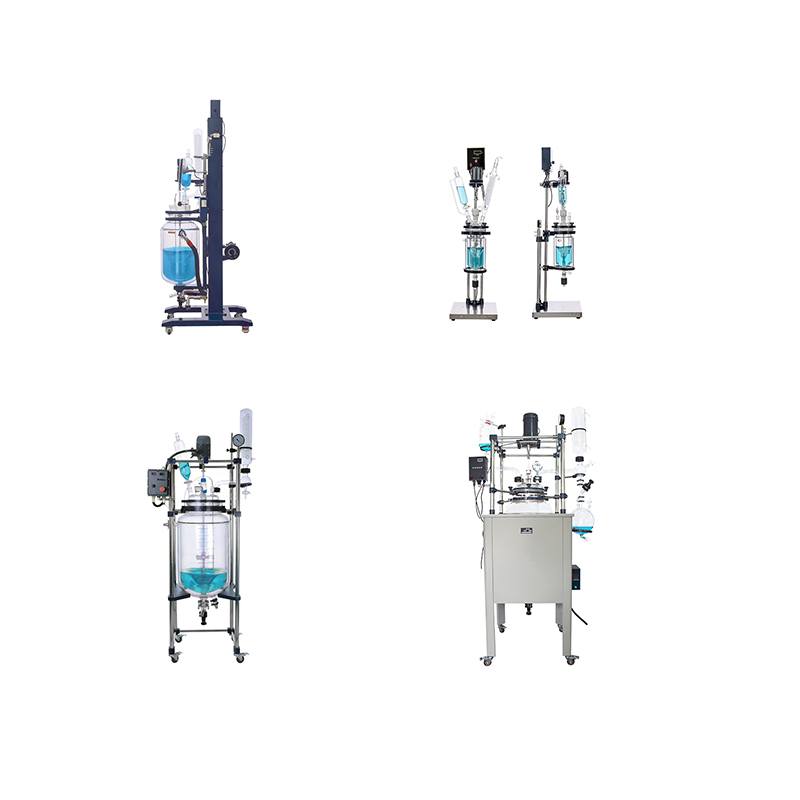
What Is a Stainless Steel Reactor?
A stainless steel reactor is a sealed vessel designed for physical or chemical reactions under controlled conditions such as temperature, pressure, and mixing speed.
It is commonly equipped with:
Agitation systems
Heating or cooling jackets
Pressure control systems
Temperature monitoring devices
Safety protection systems
Stainless steel reactors are suitable for mixing, dissolving, emulsifying, reacting, heating, and cooling various materials.
Main Advantages of Stainless Steel Reactors
1. Excellent Corrosion Resistance
One of the biggest advantages of stainless steel reactors is their ability to resist corrosion from acids, alkalis, solvents, and other chemical substances.
Common materials include:
SUS304 stainless steel
SUS316L stainless steel
Especially 316L stainless steel, which offers stronger resistance in highly corrosive environments.
2. High Temperature and Pressure Resistance
Stainless steel reactors can operate under high-temperature and high-pressure conditions, making them ideal for demanding industrial processes.
This stability ensures:
Safer reactions
Better product consistency
Improved production efficiency
3. Hygienic and Easy to Clean
The smooth inner surface of stainless steel reduces material residue and bacterial growth.
This makes stainless steel reactors especially suitable for:
Pharmaceutical production
Food processing
Cosmetic manufacturing
Many systems also support CIP (Clean-In-Place) cleaning.
4. Long Service Life
Compared with ordinary metal equipment, stainless steel reactors offer:
Better wear resistance
Lower maintenance costs
Longer operational lifespan
Properly maintained reactors can operate reliably for many years.
5. Excellent Heat Transfer Performance
With jacketed or coil designs, stainless steel reactors can achieve efficient heating and cooling, improving reaction speed and temperature control accuracy.
Common Problems in Stainless Steel Reactors
Problem 1 – Corrosion or Rust Spots
Possible Causes:
Chloride contamination
Improper cleaning chemicals
Poor material selection
Solutions:
Use 316L stainless steel for corrosive applications
Avoid chlorine-containing cleaners
Perform regular surface inspection and maintenance
Problem 3 – Temperature Control Instability
Possible Causes:
Faulty temperature sensors
Poor insulation
Uneven heating system performance
Solutions:
Calibrate sensors periodically
Improve insulation design
Inspect heating and cooling systems regularly
Problem 4 – Seal Leakage
Possible Causes:
Worn mechanical seals
Excessive pressure
Improper assembly
Solutions:
Replace seals on schedule
Monitor operating pressure
Use high-quality sealing components
Problem 5 – Material Residue After Mixing
Possible Causes:
Improper agitator design
Dead corners inside the vessel
Inadequate cleaning process
Solutions:
Optimize impeller structure
Use polished inner surfaces
Implement CIP cleaning systems
How to Extend the Service Life of a Stainless Steel Reactor
To maintain optimal performance:
Conduct regular maintenance inspections
Clean the reactor after each production cycle
Monitor pressure and temperature continuously
Use compatible materials and chemicals
Replace worn components in time
Preventive maintenance significantly reduces downtime and repair costs.
Applications of Stainless Steel Reactors
Stainless steel reactors are widely used in:
Chemical industry
Pharmaceutical manufacturing
Food and beverage production
Biotechnology
Cosmetics and personal care products
Their versatility makes them suitable for both laboratory and industrial-scale production.
Conclusion
Stainless steel reactors provide excellent durability, corrosion resistance, and process reliability, making them essential equipment across many industries.
Although operational problems such as corrosion, leakage, or temperature instability may occur, proper material selection, maintenance, and system optimization can effectively solve these issues.
Investing in a high-quality stainless steel reactor not only improves production efficiency but also ensures long-term operational safety and product quality.
Looking for a reliable stainless steel reactor for your application? Contact us today for professional recommendations and customized solutions.