
CO2 Incubator: Market Trends, Operating Guide, and Key Advantages
1. Growing Demand for CO2 Incubators in Life Science Research
In recent years, the demand for CO2 incubators has increased significantly due to rapid advancements in biotechnology, pharmaceuticals, and medical research.
With the global expansion of cell therapy, vaccine development, and genetic engineering, laboratories require highly stable and contamination-free environments
for cell culture.
Industries such as:
Immunology research
Genetic engineering
Pharmaceutical development
Agricultural biotechnology
are increasingly relying on precise incubation systems to ensure experimental accuracy and reproducibility.
A CO2 incubator plays a critical role by maintaining optimal conditions for cell growth, including temperature, humidity, and CO2 concentration, making it
an essential instrument in modern laboratories.
2. What is a CO2 Incubator?
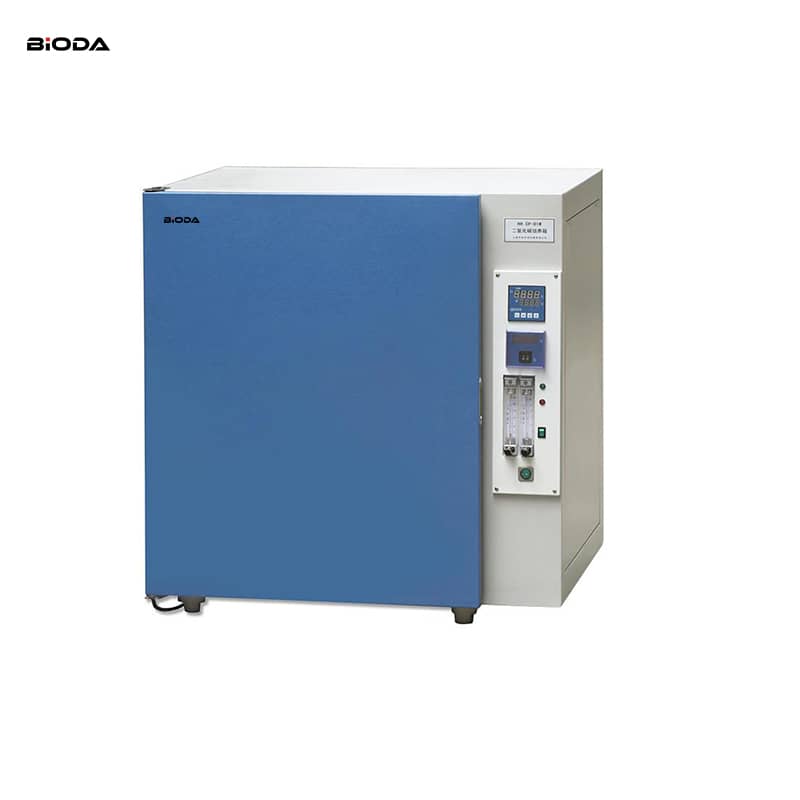
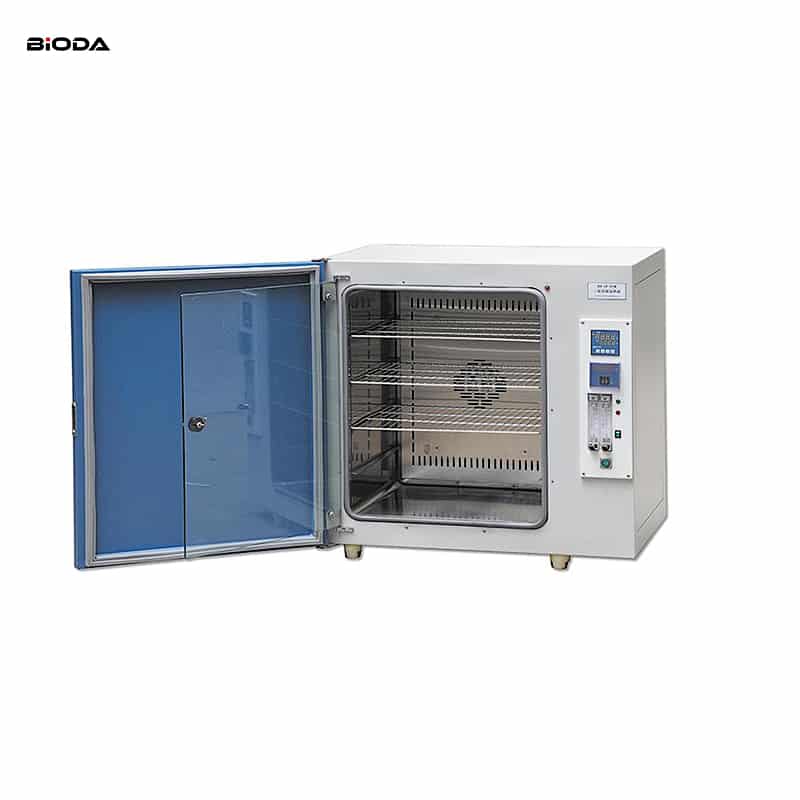
A CO2 incubator is specialized laboratory equipment designed to cultivate cells, bacteria, and microorganisms under controlled environmental conditions.
It ensures:
Stable temperature
Controlled CO2 concentration
Proper humidity levels
These conditions simulate the natural physiological environment of cells, enabling consistent and reliable growth.
According to the BO.CP Series specifications, CO2 incubators are widely used in medical, agricultural, and pharmaceutical research fields .
3. How to Use a CO2 Incubator (Step-by-Step Guide)
Proper operation is essential to achieve accurate experimental results and avoid contamination.
Step 1: Preparation
Place the incubator in a clean, stable environment
Connect the CO2 gas supply
Ensure the chamber is clean and disinfected
Step 2: Parameter Setting
Set temperature (typically 37°C for cell culture)
Adjust CO2 concentration (commonly 5%)
Check humidity conditions
Step 3: Loading Samples
Place culture plates or flasks inside the chamber
Avoid overcrowding to maintain airflow
Step 4: Monitoring
Use the digital controller to monitor:
Temperature stability
CO2 concentration
Ensure minimal door opening to maintain internal conditions
Step 5: Cleaning & Maintenance
Regularly disinfect using UV sterilization
Clean the chamber to prevent contamination
Check sensors and gas supply systems periodically
4. Key Advantages of BO.CP Series CO2 Incubator
← Previous: Another Batch of Incubator Shakers Ready for Shipment
→ Next: Global Laboratory Equipment Market Trends in 2026: Automation, AI, and Smart Laboratory Growth